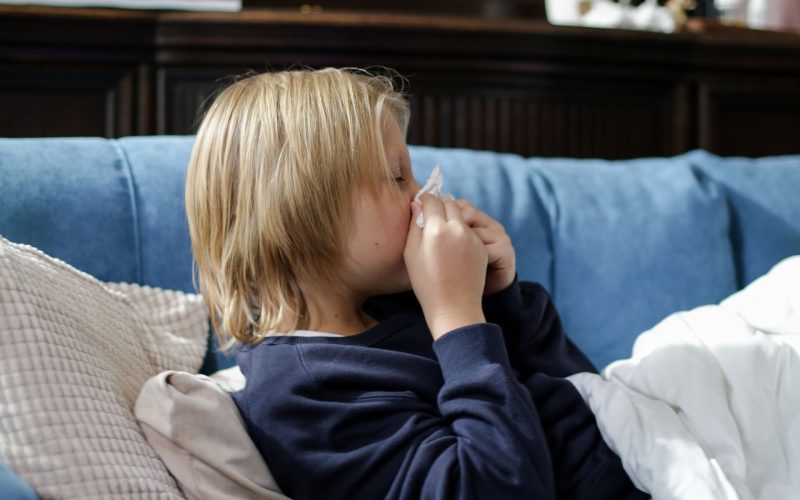


There are several proven ways to lower your risk of colds, flu, and other respiratory illness
this fall and winter beyond getting vaccinated. These steps work best alongside your
vaccines, not instead of them.
Wash your hands and watch your habits
Washing your hands often with soap and water or using hand sanitizer is one of the best
ways to stop germs from spreading. Covering your coughs and sneezes, and avoiding
touching your face, also helps a lot.
Cleaning surfaces you touch a lot, like doorknobs and counters, can help too, since flu
germs can live on surfaces for a while.
Avoid spreading germs to others
Staying away from people who are sick, and staying home yourself when you’re sick, helps
stop illness from spreading.
Wearing a mask can protect you and others. Illness rates dropped a lot during the period
when masks were widely used.
Avoiding crowded indoor spaces when a lot of illness is going around also lowers your
chances of getting sick. This matters even more if you’re older or have a health condition
that makes your immune system respond less well to vaccines.
Vitamin D
If your vitamin D level is low, taking a vitamin D supplement every day or every week can
lower your chances of getting a respiratory infection. In a large study, people who took
daily or weekly vitamin D had fewer infections, and the benefit was strongest in people who
started out very low in vitamin D.
Taking one big “catch-up” dose of vitamin D once in a while did not show this benefit —
only regular daily or weekly doses did. Research has found this benefit with daily
doses between 400 and 1,000 IU.
If you already have enough vitamin D, taking extra does not appear to add protection.
Whether you should be tested or started on vitamin D is worth discussing with your clinician.
Things with weaker evidence
Vitamin C and echinacea have limited or low-quality evidence for preventing colds. In
children, low-dose vitamin D, vitamin A, and zinc on their own did not clearly work better
than a placebo, though high-dose vitamin D showed a promising trend.
Rinsing your nose with saline or gargling may help some people, but the evidence for these
is weaker.
General healthy habits
Getting enough sleep, drinking enough water, and staying physically active are commonly
recommended as supportive habits for staying well during cold and flu season.
Nature Reviews
Resources
- Community Mitigation Guidelines to Prevent Pandemic Influenza – United States, 2017.
MMWR. Recommendations and Reports : Morbidity and Mortality Weekly Report. Recommendations
and Reports. 2017. Qualls N, Levitt A, Kanade N, et al. - Influenza.
Nature Reviews. Disease Primers. 2018. Krammer F, Smith GJD, Fouchier RAM, et al. - Nonpharmacological Interventions to Reduce Respiratory Viral Transmission: An Evidence-Based
Review With Recommendations.
Rhinology. 2021. Yuen E, Fried J, Salvador C, et al. - Preventive Behaviors Adults Report Using to Avoid Catching or Spreading Influenza, United
States, 2015-16 Influenza Season.
PloS One. 2018. Srivastav A, Santibanez TA, Lu PJ, et al. - Influenza and Aging: Clinical Manifestations, Complications, and Treatment Approaches in Older
Adults.
Drugs & Aging. 2025. Rosero CI, Gravenstein S, Saade EA. - Evidence mapping of preference elicitation for non-pharmaceutical interventions targeting
respiratory viral transmission: A scoping review protocol.
PloS One. 2026. Yeo HY, Park JY, Marsh S, Castelino L, Turner N. - Vitamin D Supplementation to Prevent Acute Respiratory Tract Infections: Systematic Review and
Meta-Analysis of Individual Participant Data.
BMJ. 2017. Martineau AR, Jolliffe DA, Hooper RL, et al. - The health effects of vitamin D supplementation: evidence from human studies.
Nature Reviews. Endocrinology. 2022. Bouillon R, Manousaki D, Rosen C, et al. - Vitamin D, respiratory infections, and chronic disease: Review of meta‐analyses and randomized
clinical trials.
Journal of Internal Medicine. 2022. Ganmaa D, Enkhmaa D, Nasantogtokh E, et al. - Immunity‐targeted approaches to the management of chronic and recurrent upper respiratory tract
disorders in children.
Clinical Otolaryngology : Official Journal of ENT-UK ; Official Journal of Netherlands Society for Oto-
Rhino-Laryngology & Cervico-Facial Surgery. 2019. Feleszko W, Marengo R, Vieira AS, Ratajczak K, Mayorga Butrón JL.
11. Comparative efficacy of nutritional supplements for the prevention of respiratory tract infections in
children: a systematic review and network meta-analysis.
BMC Infectious Diseases. 2026. Xing Y, Huang D, Niu L, Liu Y.
References
- Determining the clinical and cost-effectiveness of nasal sprays and a physical activity and stress
management intervention to reduce respiratory tract infections in primary care: A protocol for the
‘Immune Defence’ randomised controlled trial.
PloS One. 2023. Vennik J, Geraghty AWA, Martinson K, et al.