

Pediatric Nurse Practitioners Jamie Wells and Daniela Curi recently hosted an Instagram Live focused on one of the most common questions parents face: Should my child go to the pediatrician or the emergency room? Drawing from Daniela’s extensive experience as both an RN and NP in the pediatric emergency departments at Jacobi Medical Center and Columbia University Irving Medical Center, the discussion provided practical, evidence-based guidance to help families make confident decisions during stressful moments.
The conversation emphasized that many childhood illnesses and injuries can safely be managed in the pediatrician’s office, while certain symptoms require immediate emergency evaluation. Topics included fever in newborns, breathing difficulties, seizures, head injuries, dehydration, allergic reactions, abdominal pain, rashes, and lacerations.
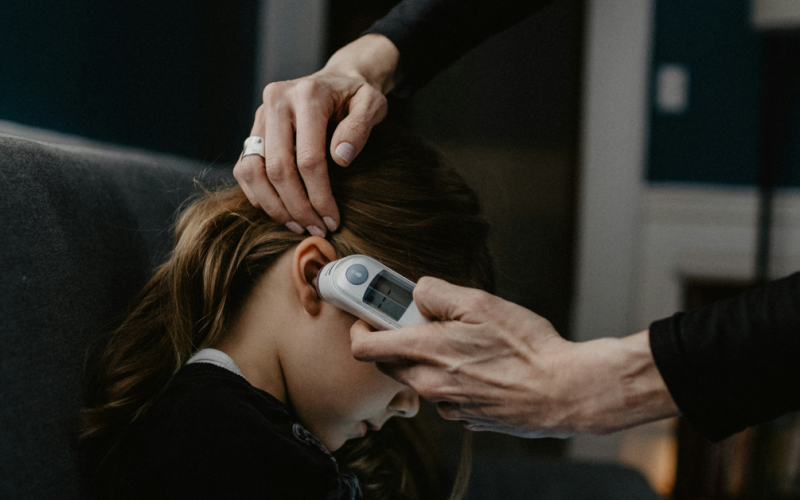
One of the strongest take-home messages involved fever in infants younger than 28 days old. Even a rectal temperature of 100.4°F (38°C) in a newborn is considered a medical emergency because serious bacterial infections and sepsis can progress rapidly in this age group — even when babies initially appear well. The providers explained why emergency evaluation, bloodwork, and sometimes lumbar puncture and hospitalization are necessary in these situations.
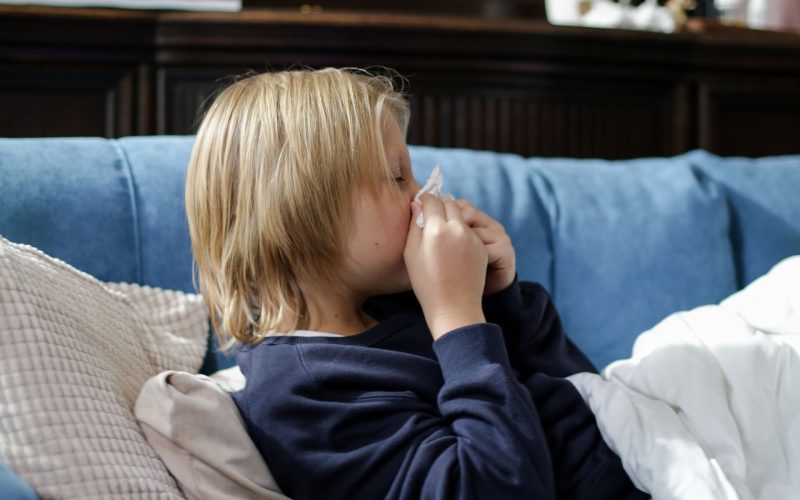
For older infants and children, the discussion highlighted the importance of looking at the whole child, not just the number on the thermometer. A playful toddler with a fever, runny nose, and good hydration can often be safely managed by their pediatrician, while signs such as lethargy, difficulty breathing, dehydration, altered mental status, persistent vomiting, or severe pain may signal the need for emergency care.
The Live also addressed common misconceptions, including:
Not every laceration requires stitches — some cuts can be treated with skin glue or steri-strips.
Wheezing associated with viral illnesses is extremely common in young children and can often be treated in the pediatric office if the child is otherwise stable.
Mild localized rashes after new food exposure can frequently be monitored at home with guidance, while multi-system allergic reactions require immediate ER care for possible anaphylaxis.
Most febrile seizures are brief and benign, but prolonged seizures or delayed return to baseline warrant emergency evaluation.
Throughout the discussion, Jamie and Daniela stressed that parental intuition matters. If a child is difficult to wake, struggling to breathe, not acting like themselves, or rapidly worsening, families should seek urgent medical care immediately.
The Instagram Live aimed to empower parents with practical tools to recognize red flags, reduce unnecessary ER visits, and feel more confident navigating common pediatric illnesses and injuries.