Parents face a sea of information when it comes to food and beverage choices for their children.
As a pediatrician, my priority is the health and safety of your children. Right now, a popular topic
is raw milk and its potential health benefits. While it may sound wholesome and natural,
unpasteurized milk carries significant health risks, especially for children. Let’s take a closer
look.
What Is Pasteurization, and Why Does It Matter?
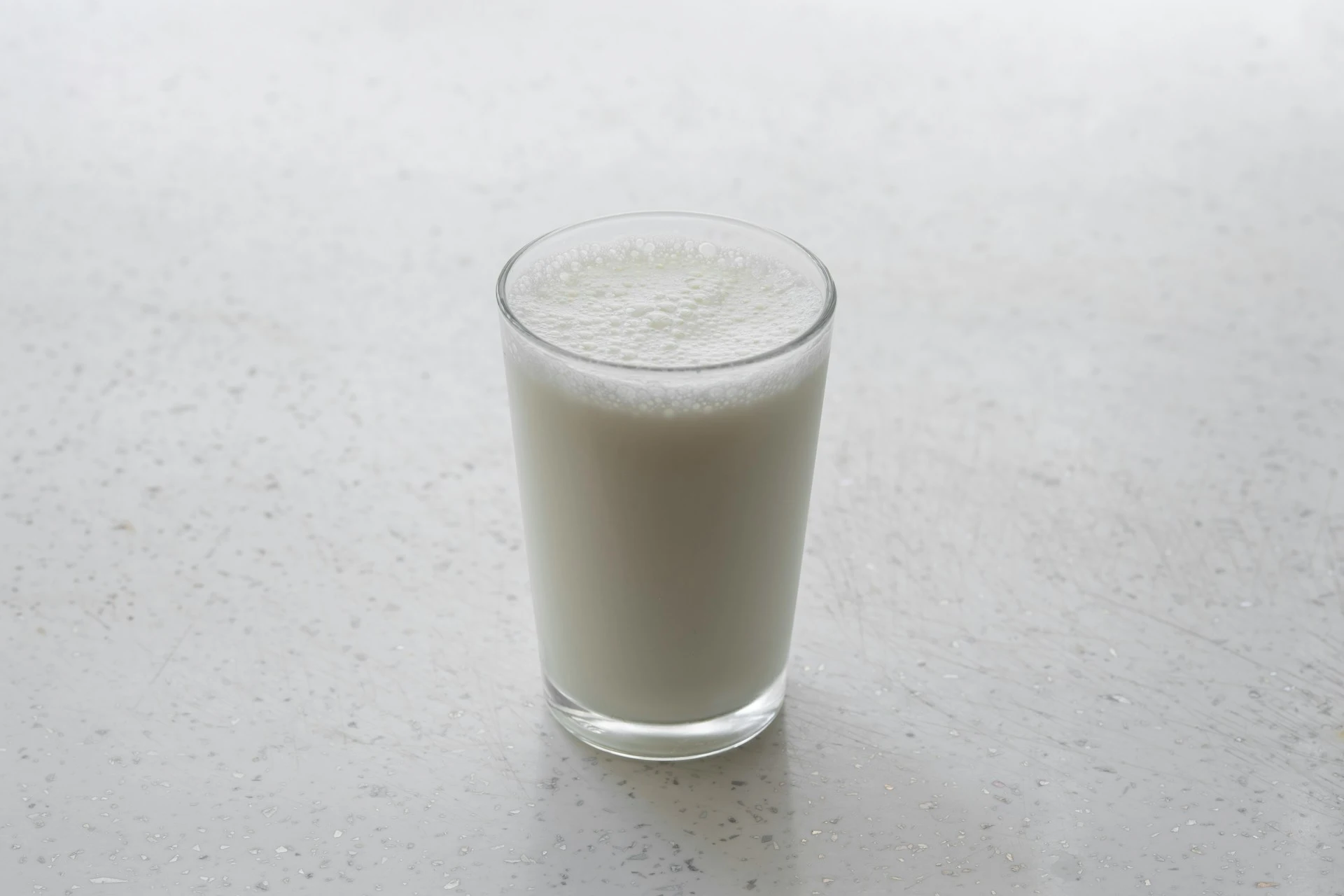
Pasteurization is a simple heating process invented by Louis Pasteur in the 19th century. By heating milk to a specific temperature for a set period, pasteurization eliminates harmful bacteria while retaining the milk’s nutritional value. This process has been a cornerstone of public health for over a century, drastically reducing diseases once linked to milk consumption. Unpasteurized milk skips this step, meaning it can harbor bacteria like Salmonella, E. coli, and Listeria. These pathogens can cause severe illnesses, including food poisoning, kidney failure, and meningitis, especially in vulnerable populations like young children, pregnant women, and the elderly. Even if the farm takes great care to ensure a clean environment, pathogens can still contaminate the milk.
Why Do Some People Choose Unpasteurized Milk?
Advocates of raw milk often claim it’s healthier than pasteurized milk, suggesting it contains more nutrients, beneficial enzymes, or probiotics. However, scientific studies consistently show that pasteurization has minimal impact on milk’s nutritional profile. The small loss of enzymes during pasteurization is insignificant because many of these enzymes are destroyed by our digestive system anyway. The perceived health benefits of raw milk simply don’t outweigh the documented risks.
Children Are Especially Vulnerable
Kids are particularly susceptible to food borne illnesses because their immune systems are still developing. The Centers for Disease Control and Prevention (CDC) reports that food borne illnesses from raw milk are most commonly seen in children under five. Even a single sip of contaminated raw milk can lead to serious health complications. Symptoms can range from mild stomach upset to life-threatening conditions requiring hospitalization.
What Does the Science Say?
A study published in the Emerging Infectious Diseases journal found that raw milk was 150 times more likely than pasteurized milk to cause food borne illnesses. The American Academy of Pediatrics (AAP) and the CDC strongly recommend against consuming raw milk and products made from it, such as certain cheeses.
Safer Ways to Enjoy Milk
If you’re seeking the benefits of milk, pasteurized milk is your best bet. For those who want probiotic-rich foods, there are safer options like yogurt, kefir, or probiotic supplements, all of which are widely available and regulated.
My Recommendation as a Pediatrician
As a parent, I understand the desire to make the healthiest choices for your family. However, choosing unpasteurized milk exposes your child to unnecessary risks that can have lifelong consequences. Stick with pasteurized dairy products to ensure your child receives all the benefits of milk without the dangers. If you have any questions about raw milk or other dietary concerns, don’t hesitate to reach out to MVP. We are always here to discuss your concerns.
FAQs
1. What is unpasteurized (raw) milk?
Unpasteurized milk is milk that has not undergone pasteurization, a heating process that kills harmful bacteria. Because it is not heat-treated, raw milk can contain dangerous pathogens.
2. Why is pasteurization important for milk?
Pasteurization kills harmful bacteria such as Salmonella, E. coli, and Listeria while preserving the milk’s nutritional value, making it much safer to drink.
3. Why is raw milk dangerous for children?
Children have developing immune systems and are more vulnerable to foodborne illnesses. Even small amounts of contaminated raw milk can cause serious infections.
4. What illnesses can raw milk cause?
Raw milk can lead to food poisoning, severe diarrhea, kidney failure, meningitis, and other serious bacterial infections caused by organisms like Salmonella, E. coli, and Listeria.
5. What do health organizations say about raw milk?
The CDC and the American Academy of Pediatrics strongly advise against the consumption of raw milk and products made from unpasteurized milk.
6. How much more risky is raw milk compared to pasteurized milk?
Studies have found that raw milk is far more likely to cause foodborne illness, with some research showing it has over 100 times the risk compared to pasteurized milk.
7. What are safer alternatives to raw milk?
Pasteurized milk, yogurt, kefir, and other regulated dairy products provide the nutritional and probiotic benefits of dairy without the dangerous health risks.