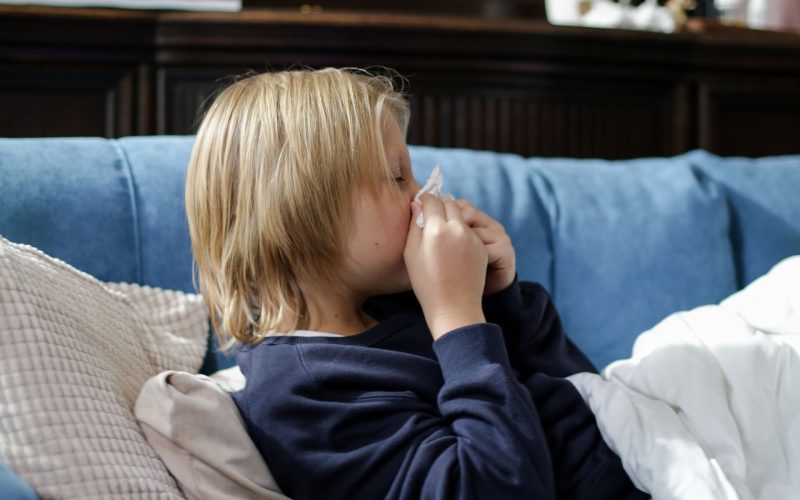

‘Tis the season of the respiratory infection. This season has been especially confusing with the
increasing rate of walking pneumonia. As a pediatrician, I often encounter parents concerned
about their child’s cough, runny nose, or sore throat, especially during cold and flu season.
Respiratory infections are common in children, but it’s helpful to understand the different types
to better navigate symptoms and treatment options.
Viral Infections
The most common respiratory infections in children are viral. Viruses like the common cold, flu,
and RSV spread easily, especially in school settings. Viral infections
tend to cause symptoms such as a runny nose, congestion, cough, sore throat, and sometimes
a fever. These symptoms often come on gradually. Since antibiotics don’t work against viruses,
treatment usually focuses on supportive care: rest, hydration, and sometimes over-the-counter
medicines to manage discomfort.
Bacterial Infections
Bacterial infections, such as strep throat or bacterial pneumonia, are less common but often
more intense. Symptoms may include high fever, a sore throat with white spots (for strep), ear
pain (for ear infections), and a productive cough (for bacterial pneumonia). These infections
may come on suddenly and feel more intense than viral ones. In cases where we suspect a
bacterial cause, antibiotics can be effective, helping reduce symptoms and preventing
complications.
Walking Pneumonia
Walking pneumonia, caused by Mycoplasma pneumoniae bacteria, is a mild form of
pneumonia. It doesn’t typically cause the intense symptoms of bacterial pneumonia, so children
are often still up and moving around—hence the name “walking” pneumonia. Symptoms can
include a lingering cough, fatigue, and low-grade fever. It may feel like a cold that just won’t go
away. Walking pneumonia may not always require antibiotics, but if symptoms persist or are
bothersome, your pediatrician might prescribe one to help your child recover faster.
When to Seek Medical Advice
If your child has a fever lasting more than 3 days, breathing difficulties, or persistent
symptoms, it’s always best to consult your pediatrician. We’re here to help guide you on whether
further treatment or testing might be needed.
Remember, each infection type has its own treatment approach, and not all respiratory illnesses
need antibiotics. By recognizing the differences, we can work together to get your child back to
feeling their best!
FAQs
1. What are the most common respiratory infections in children?
The most common respiratory infections in children are viral illnesses such as the common cold, flu, and RSV, which often cause a runny nose, cough, congestion, and sore throat.
2. How can I tell the difference between viral and bacterial respiratory infections?
Viral infections usually develop gradually and improve with supportive care, while bacterial infections tend to start suddenly and may cause higher fever, more severe pain, and thicker mucus.
3. Do respiratory infections always need antibiotics?
No, antibiotics do not work for viral infections. They are only effective for bacterial infections such as strep throat or certain types of bacterial pneumonia.
4. What is walking pneumonia in children?
Walking pneumonia is a milder form of pneumonia caused by Mycoplasma pneumoniae and often presents as a lingering cough, fatigue, and low-grade fever.
5. How long do symptoms of walking pneumonia last?
Symptoms can last longer than a typical cold, sometimes for several weeks, which is why it’s often described as a “cold that won’t go away.”
6. When should I call the pediatrician for a respiratory infection?
You should contact your pediatrician if your child has a fever lasting more than three days, difficulty breathing, wheezing, or symptoms that are not improving.
7. Can walking pneumonia go away without antibiotics?
In some cases, walking pneumonia can resolve on its own, but antibiotics may be prescribed if symptoms are persistent or significantly uncomfortable.
8. How are respiratory infections in children usually treated?
Treatment typically includes rest, fluids, and symptom relief for viral infections, while bacterial infections may require antibiotic treatment.